

Our Web Design Service
HIGH-PERFORMANCE WEBSITES • SEO-READY • LONG-TERM RELIABILITY
At MediaPixel, we craft fast, elegant web experiences built around your brand.
We build on a clean, modern foundation for performance, SEO and long-term reliability.
After launch, we stay involved to keep your website stable, secure, and effective over time.
Our web technologies
Why we build on Next.js, not generic templates
We prefer Next.js when the goal is a fast, reliable, durable B2B website built on a clean and fully controlled technical foundation. Where WordPress websites often rely on a theme plus multiple plugins, we build a custom foundation that is lighter and more stable over time. The result is fewer regression risks after updates, better mobile performance, and more consistent technical SEO. WordPress remains an excellent option for projects focused on ready-to-publish workflows. But when performance, security, and long-term durability are priorities, Next.js is generally the better investment.

Next.js or WordPress: how to decide?
Next.js is our default choice when the priority is a fast, durable site that stays simple to maintain over time. It usually requires a bit more development at the start, but gives you a custom foundation built to scale cleanly for years.
WordPress is an excellent option when you value ready-to-use administration and an existing ecosystem of features. In return, some functions rely on third-party plugins that may not fully match the need, may change over time, or may be less actively maintained, which can lead to compromises and unexpected costs.
On hosting, WordPress is widely available and often easier to get started with. Next.js requires a slightly more structured setup, but enables cleaner deployment, more consistent performance, and more predictable maintenance.
Fast loading
A site designed to load fast from day one, without relying on a stack of performance plugins. Better mobile experience, fewer drop-offs, and a stronger perception of your brand.
Clear SEO
Clean structure (URLs, metadata, headings, structured data) controlled at code level. Search engines understand your pages better, and your SEO optimizations stay stable over time.
Scalable
You can start simple, then add pages, languages, and features without rebuilding around a theme. Your foundation stays coherent as the site grows.
Steady maintenance
Fewer critical dependencies (theme/plugins), so fewer surprises after updates. Maintenance is more predictable with monitoring, backups, and clean improvements.
We build new projects on a modern stack (Next.js, TypeScript).
And if you already have an existing environment, we can integrate with your current setup (WordPress, PHP, databases, traditional hosting) without rebuilding everything from scratch.







Built for the new way people search
people search
More and more, people discover businesses through AI assistants and enriched search results — not just traditional blue links. Your website now has to be clear for humans, and legible for machines.
We structure your pages with clear headings, well-paced paragraphs, and descriptive titles. We also refine meta descriptions and image alt text so AI systems and search engines can quickly understand who you are, what you do, and where you operate. When relevant, we add structured data (schema.org) for your organisation, services, FAQs or articles — so systems rely on verified facts instead of guessing.
With our block-based pages and Care plans, key information stays current without redesigning your site. This improves the chances that AI tools extract accurate, up-to-date details about your business — while you keep full control of what is published on your own domain.
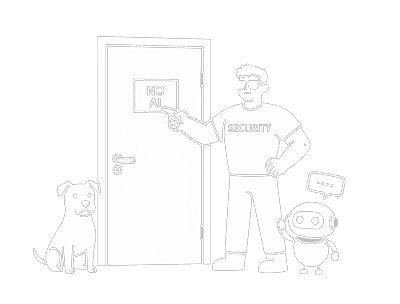
If you prefer not to have your content reused by AI systems, we can also reduce exposure as far as current technology allows: robots.txt rules, meta directives, and — where feasible — blocking known crawler user agents. These measures help, but they are not infallible, so we focus on setting clear boundaries and minimizing unnecessary access.


How our block-basedpages workHow our block-based pages work
Each page on your site is built from independent “blocks” – self-contained sections like a hero banner, a gallery, a list of services or a contact form. Instead of one big, rigid template, we assemble and customise these blocks to match your content and goals.
Clear sections, not one rigid template
Each page is built from independent blocks: hero, highlights, gallery, testimonials, contact, etc. This keeps your content structured and easy to read, instead of being trapped in one big, rigid page template.
Easy to add, move or remove
As your needs change, we can add new blocks, move them up or down, or hide them without rebuilding the page. It’s simple to launch a focused page today, then extend it later with extra sections when you’re ready.
Reusable across your whole site
Once a block is designed and coded, we can reuse it on multiple pages with different content. This keeps your design consistent, reduces development time for new pages and makes larger sites easier to manage.
Clear scope, simpler maintenance
Under the hood, a “normal” block can represent tens of thousands of lines of code, and advanced blocks even more. By talking in blocks instead of vague “hours of coding”, it’s easier to understand what you’re paying for, adjust the scope, and maintain the site: we can update or fix one block in its own file without touching everything else.
How we manage your website project
A clear three-step approach that keeps your project collaborative and on track from discovery to launch.
Discovery & project brief
At the start of the project, we ask for a few key elements to understand your needs: your colour palette, existing logo or website, overall site structure (main pages and sections), plus any reference links or images you like.
From this, we create a project brief that you review and approve before we start designing the site.
Design, build & shared project dashboard
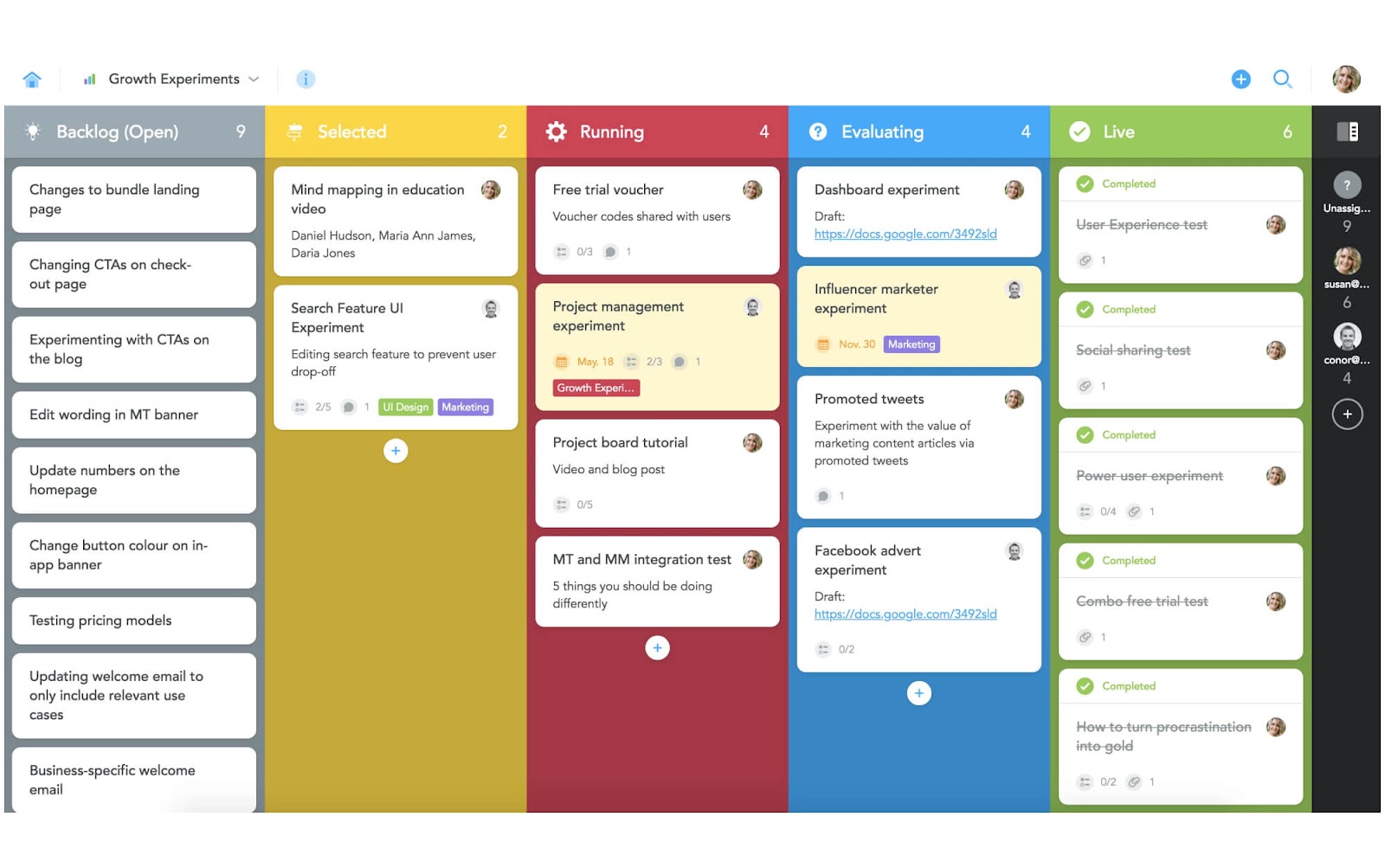
The design and build phase can take several weeks, depending on the complexity of your site. During this time, we communicate through conventional channels (mainly email) and, if you prefer, through our in-house project management tool.
In this tool, each task has its own space where we can attach links, images, and even Word, Excel or PowerPoint files. You can follow the real-time progress of each page or block, read our comments, and leave your own feedback directly on the relevant items.
Final review, launch & care plan
Once the result matches what you expect and all key pages are approved, your site is ready to go live. We schedule the launch together, and the hosting and maintenance plan you selected (Care – Hosting, Care – Content, Care – SEO, etc.) can start to keep your site running smoothly after opening.
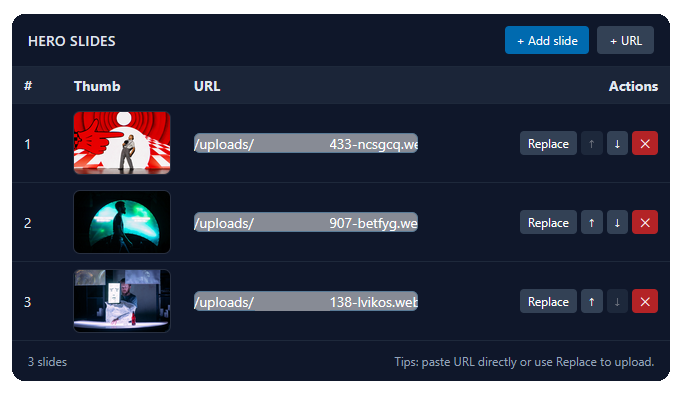
A simple, custom editor for your content
Accessed from your client area, each site comes with a built-in editor that lets you update key content yourself: texts, images and a few basic options. Everything is simplified and customised for your site, so you can make safe changes without breaking the overall design or layout. For small updates, you stay in control. If a change would affect the design, requires more work, or you simply don’t have time, our team can handle it for you as part of your selected Care plan.
Security, updates and data protection
A structured approach to security, updates and backups, reducing risk without adding complexity to your day-to-day.
Staying ahead of security issues
We actively follow security bulletins for the technologies we use (Debian, Node.js/Next.js, PHP, WordPress and major libraries), so we can react when a new vulnerability is disclosed. With our Care plans, security updates are part of the job: we update the operating system, runtime and site dependencies on a regular basis to reduce the risk of an outdated component becoming a way in.
We standardise on Debian stable and LTS releases, widely used on servers worldwide and maintained with long-term security patches, rather than experimental stacks.
Behind this, our team includes qualified security engineers and system administrators with formal training, used to managing and hardening production servers — the same mindset is applied to the hosting of your website.
Hardened hosting environment
Your site runs behind a hardened Linux environment with HTTPS by default and a strict firewall. We use tools such as GeoIP-based region blocking (to reduce traffic from regions that generate most automated attacks) and behaviour-based protection tools like CrowdSec to detect abusive patterns and block suspicious IPs before they reach your site.
The goal is not to promise “perfect security”, but to make your site a less attractive and much harder target, while keeping things transparent and maintainable.
Backups and recovery if something goes wrong
A fresh backup of your site files is generated every day and made available for download from your client area. In addition, our infrastructure follows a triple-redundant backup policy at server level, ensuring that multiple copies are retained should an incident occur.
For more advanced setups (multiple services, Docker containers, data collectors), we can also include those components in the backup strategy on request, so the whole environment can be restored in a controlled way instead of just the front-end files.

Additional notes
Ownership & portability
You keep full ownership of your website content and design. We build on standard, well-documented technologies (React/Next.js, TypeScript, Linux), with version-controlled source code, so your site can be maintained or migrated in the future if needed, instead of being locked into a proprietary tool or a single provider.
Accessibility and device support
We design with readability and contrast in mind, follow common accessibility practices (semantic HTML, keyboard-friendly navigation, clear focus states) and test on both desktop and mobile devices with current versions of the main browsers (Chrome, Safari, Edge). The goal is a site that feels comfortable to use for as many visitors as possible.
Integrations and future add-ons
When you need more than a simple brochure site, we can connect your pages to external services: booking tools, newsletters, forms, CRMs or analytics platforms. These integrations are handled as separate blocks or modules, so they can be added or adjusted later without redesigning your entire site.
Technical overview (for the curious)
React / Next.js, TypeScript, utility-first CSS (Tailwind-style), Debian-based Linux hosting with HTTPS by default, daily backups with triple server-side redundancy, GeoIP filtering and behaviour-based protection (CrowdSec), optional Docker-based services, block-based page architecture.